
ON-DEMAND WEBCAST - Break the Bottleneck: High-capacity Optics for Next-Gen GPU Clusters

(Image: Shutterstock/Shutterstock AI)
Webcast supported by
In association with

AI model training is outpacing network capacity at an unprecedented rate. As GPU clusters scale toward tens of thousands of accelerators, the optical layer has become the primary constraint on system performance and operational efficiency.
Traditional network architectures designed for general-purpose data centre traffic cannot meet the bandwidth density, power efficiency, and fabric-level scalability demands of AI workloads.
With hyperscalers investing billions to build AI-ready infrastructure, the industry is racing toward 1.6T OSFP-XD transceivers, co-packaged optics, and fundamentally new optical switching paradigms—but the path forward raises critical questions about interoperability, power consumption, and architectural trade-offs.
Whether you're directly involved in AI infrastructure deployment or need to understand how these architectural shifts will impact the broader optical networking industry, this webcast provides the technical depth and strategic perspective to inform your decision-making.
Calling All:
- Data centre network architects planning optical infrastructure upgrades to support AI training clusters and seeking guidance on 1.6T transceiver deployment strategies
- Product managers and engineers at optical component manufacturers, hyperscalers, and systems vendors developing or evaluating next-generation interconnect technologies
- CTO office and infrastructure executives at cloud providers, telecommunications operators, and enterprises assessing technology roadmaps and capital investment priorities for AI-ready networks
- Optical systems designers working on co-packaged optics, silicon photonics integration, and laser source architectures for high-bandwidth applications
- Network operations teams responsible for deploying and maintaining optical infrastructure in large-scale data centre environments where power efficiency and density are critical constraints
We'll cover:
- Mastering the 1.6T technology landscape: Understand the hardware specifications, interoperability challenges, and deployment timelines for next-generation high-speed pluggable transceivers designed specifically for GPU cluster connectivity
- Decoding optical architecture trade-offs: Learn how centralised versus external laser source architectures impact power efficiency, thermal management, and overall system cost in AI-scale fabrics
- Optimising for fabric-level efficiency: Discover how optical switching technologies can improve power consumption, network resiliency, and scalability across large AI training environments
- Leveraging hyperscale deployment experience: Gain practical insights drawn from Lumentum's experience delivering photonic technologies at volume to the world's largest data centre operators
- Preparing for architectural shifts: Understand how AI workload requirements are fundamentally changing optical network design principles and what this means for procurement, deployment, and operational strategies
- Navigating interoperability requirements: Understand the technical performance characteristics: stable light sources, efficient modulation, power budgets; required to support AI-scale networks and ensure vendor ecosystem compatibility
Speakers:
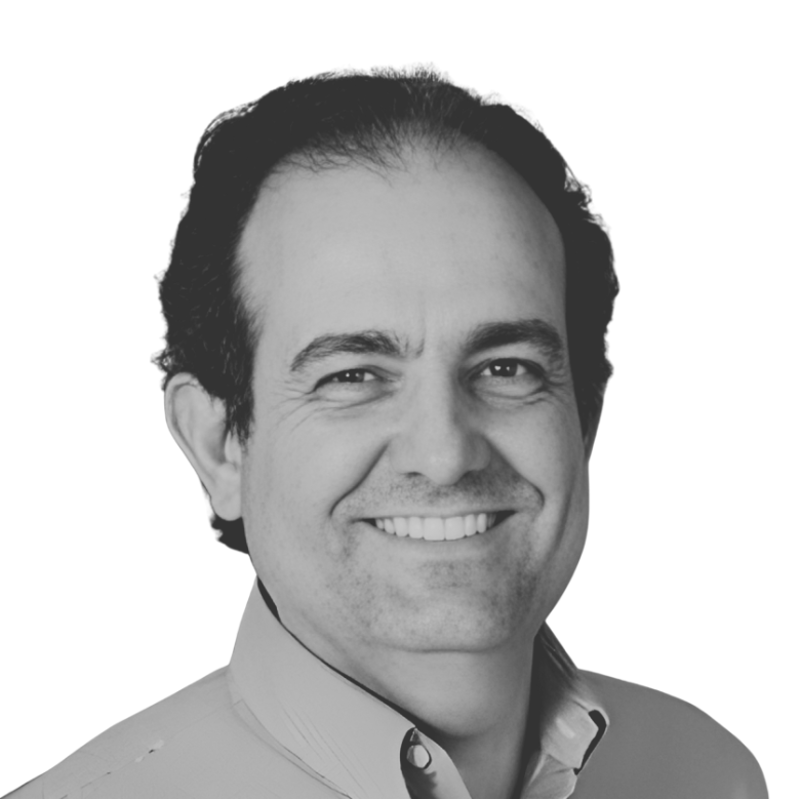
Christian Urricariet
Senior Director of Product and Strategic Marketing, Lumentum
Christian Urricariet leads product strategy and market development for Lumentum's data centre and AI connectivity solutions. With deep expertise in optical transceiver technologies, silicon photonics, and hyperscale network architectures, Christian has been at the forefront of defining next-generation optical interconnect roadmaps.
His work spans high-speed pluggable transceivers, co-packaged optics integration, and optical switching technologies designed to meet the performance and efficiency demands of AI-scale data centres. At Lumentum, Christian works directly with hyperscale operators and systems vendors to translate emerging AI workload requirements into deployable photonic solutions.
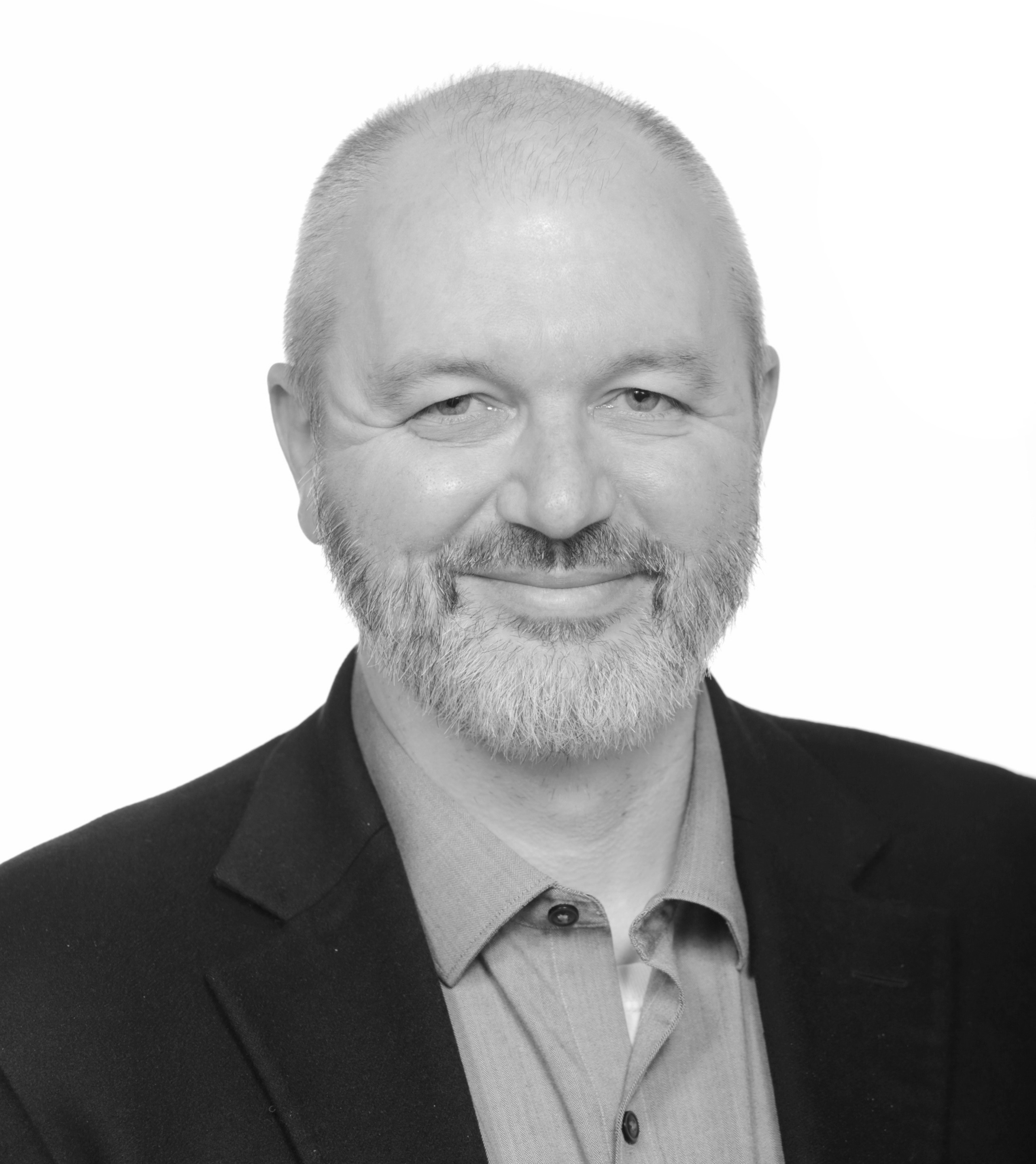
Matthew Adams
Director of Product Management for Fiber Optic Production and Lab Test Network & Service Enablement at VIAVI Solutions
Matt Adams is the Director of Product Management for Fiber Optic Production and Lab Test Network & Service Enablement at VIAVI Solutions and has been with the company for more than 25 years. He has held leadership roles across R&D, technology planning, and product management. His current work focuses on developing measurement solutions that support the design and manufacture of next‑generation fiber‑optic communication components, modules, and subsystems.
He is an active contributor to international standards, has co‑authored several articles, and holds multiple patents in this field. Matt earned a master’s degree in engineering physics from McMaster University.
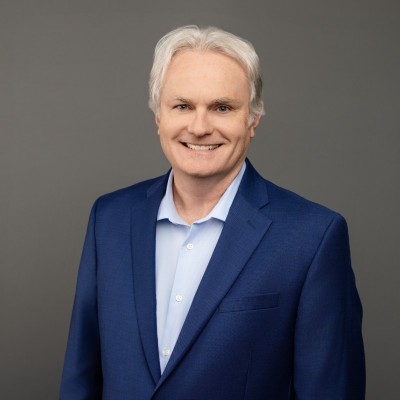
Ted Lichoulas, Engineering Director in AFL’s Data Center and Cloud business unit
With more than 27 years of experience, Ted is an accomplished technical leader in the fibre optics industry with a specialty in connector and hardware product development.
Since 2022, his main technical focus has been on high density connectivity solutions for hyperscale data centres.

David Huff, VP Sales and Marketing at Genuine Optics
Huff has more than 25 years of technical, sales, and marketing experience in the optical communications industry including silicon photonics and foundry aspects with such companies as Multilink, Ortel, Skorpios and T-Networks. He has built sales and marketing teams supporting 100M+ businesses from start up. Broadly focused technically with understanding of multiple facets of the industry, Huff regularly presents at conferences, builds technical marketing content, and participates in industry standardisation efforts.
As the VP of Sales and Marketing for Genuine Optics, he focusses primarily on hyperscaler customers and key neocloud companies.
Having trouble registering? Please get in touch at webcasts@europascience.com.
Interesting in sponsoring a future webcast? Get in touch with kris.collins@europascience.com.