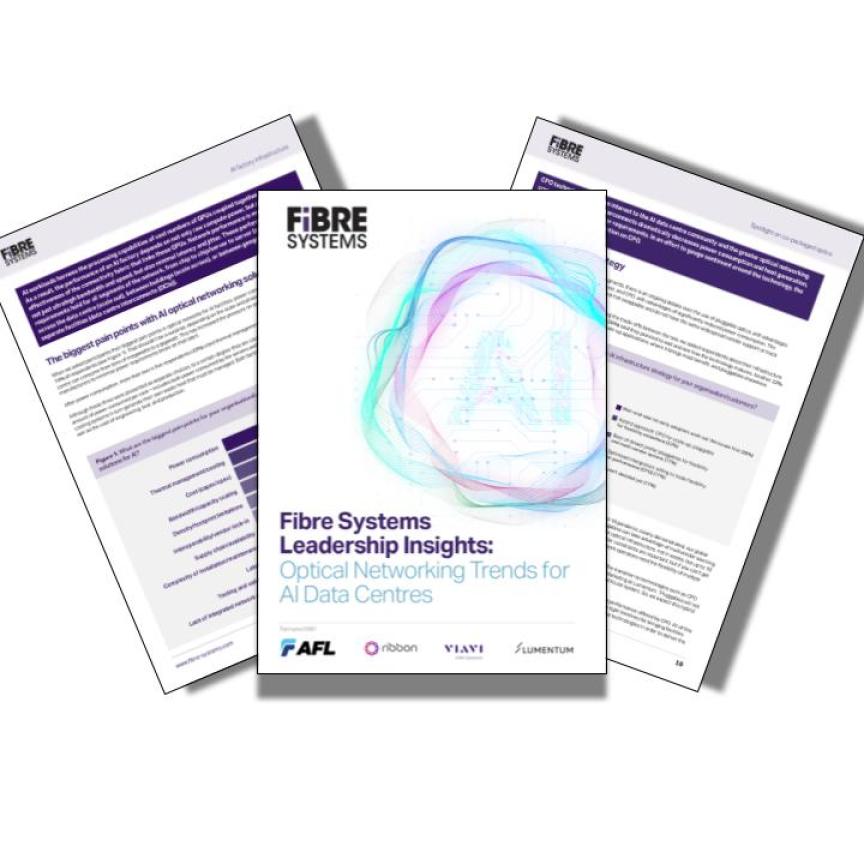
NEXT WEEK - Fibre at AI scale: rethinking connectors and cable management for high-density data centres
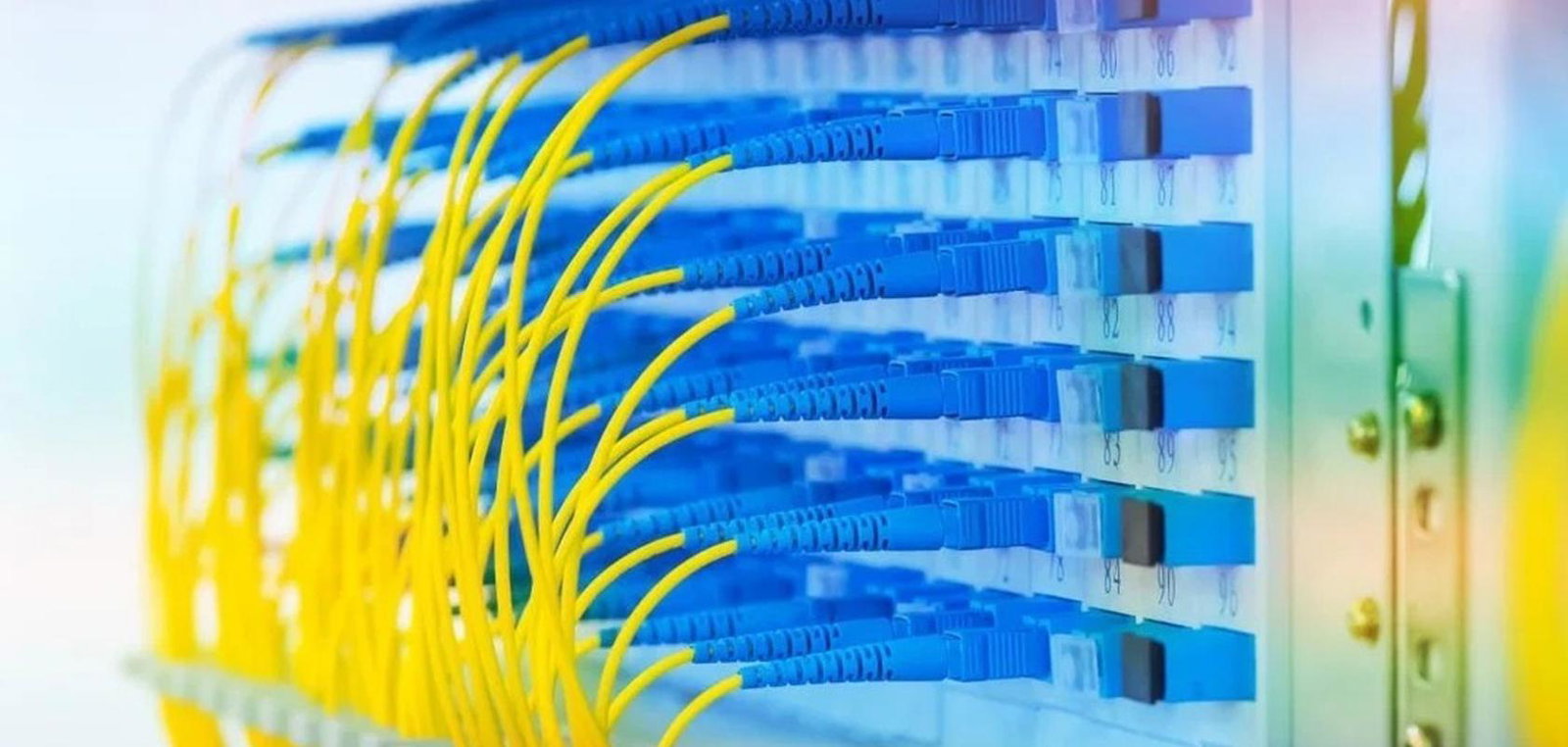
(Credit: asharkyu / Shutterstock)
Webcast supported by
As hyperscale data centres race to deploy AI clusters with tens of thousands of GPUs, a critical infrastructure question has moved from the roadmap to the urgent present: how do you fit enough fibre into the same physical space whilst keeping it manageable at scale?
This webcast will examine this challenge directly with operators, infrastructure architects, and connector manufacturers who are grappling with it now.
The density problem
Data centres are moving to spine-leaf fabrics running at 400G and 800G, with 1.6T on the horizon, and the number of fibres in each rack is rising fast. Operators need connectors that fit more fibres into less space and install quickly at scale. They also need test methods that can certify tens of thousands of multifibre links without slowing the build.
It starts with the MMC connector platform. MMC’s TMT ferrule delivers roughly three times the density of MPO and keeps the same optical interface, so it remains compatible with existing MTP/MPO cabling.
The session then looks at PRIZM TMT, a single-mode expanded-beam ferrule. It is designed for about 0.5 dB insertion loss and resists debris, needs little force to mate, and can be terminated with passive alignment at high volume. Environmental and repeated-mating test results show how stable it is. Blind-mate and multi-ferrule systems built on it can place up to 1,728 fibres in a single compact interface.
Higher density also makes testing harder. Contamination risk multiplies across every fibre in a ferrule, and pinned and unpinned connectors and polarity types complicate test cords and reference methods. The number of links to certify grows into the tens of thousands.
The webinar closes with practical answers to these problems. It covers purpose-built multifibre inspection and a single loss tester for MPO-12, MMC-16 and MMC-24. It also shows how automated workflows take a job from creation to close-out report, so Tier 1 certification is faster and more reliable.
This webinar covers the full path from connector design to link certification. Our speakers will cover what’s working, what isn’t, and how to plan fibre infrastructure that can scale. Bring your questions for the live Q&A.
What you'll learn
The session will cover:
- Connector selection: How to choose between different connector options for each network layer, and where each makes sense
- Operational reality: The real cost of higher density: cleaning, inspection, polarity errors, and installation time
- Infrastructure strategies: Practical ways to fit more fibre into existing racks and pathways without a complete forklift upgrade
- Lessons from the field: What operators are learning from early AI deployments about what scales and what does not
- Supplier engagement: What to ask connector and cable manufacturers about loss budgets, lead times, and standards support
The discussion will address the full spectrum of participants in fibre infrastructure: data centre operations leaders planning fibre for GPU cluster build-outs, network architects evaluating connectivity strategies, structured cabling specialists managing installation and deployment, and procurement teams weighing cost, reliability, and supply chain risk.
Featured speakers
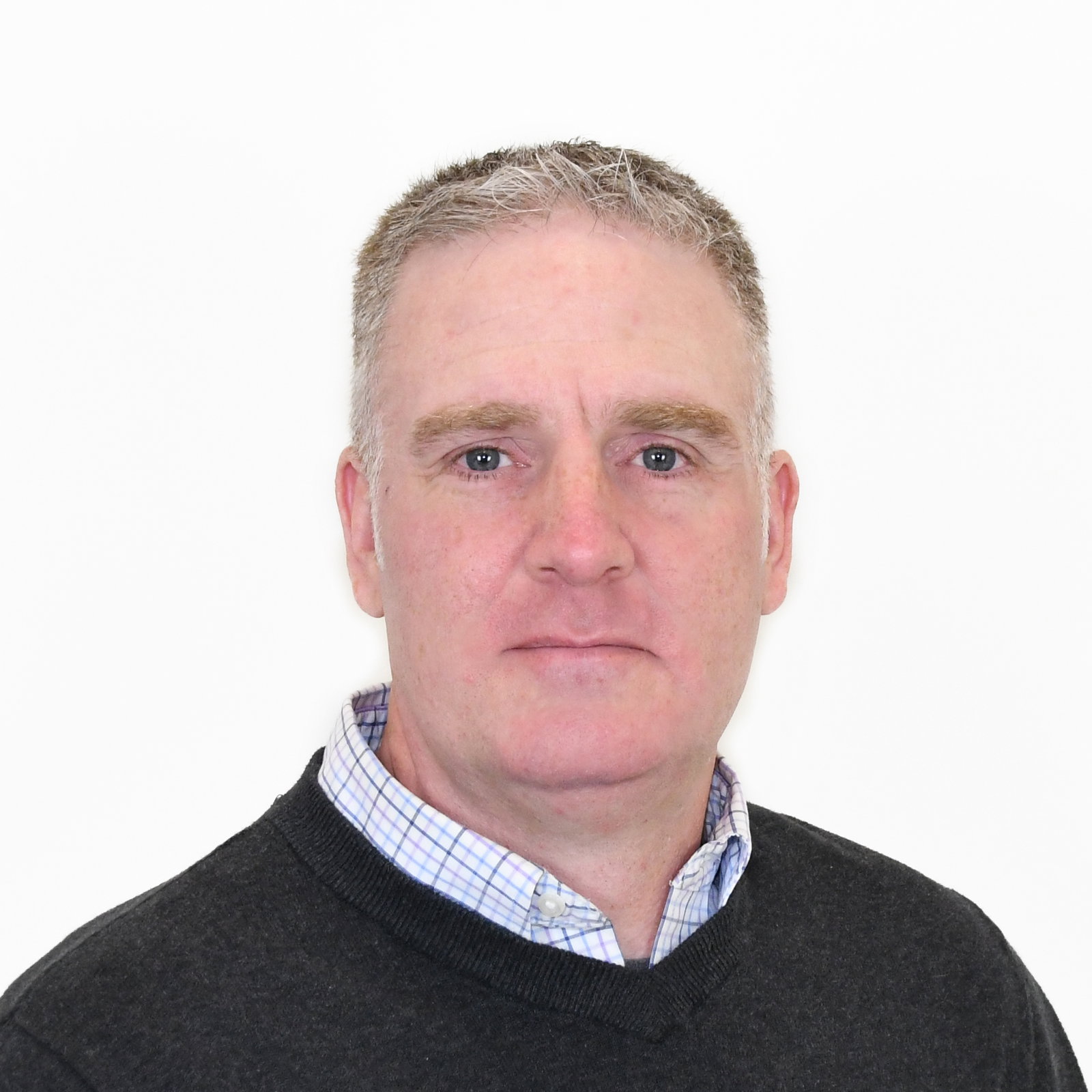
Tom Mitcheltree - Advanced Technology Manager, US Conec
Tom has more than 25 years of experience supporting high density optical links. His current focus is developing next-generation solutions for AI scale-up & scale-out, including blind mate and expanded beam connectivity. Tom is a participating member of IEEE, OIF, and multiple transceiver MSAs. He has been a contributing expert to IEC and TIA standards, including authoring FOCIS 5.
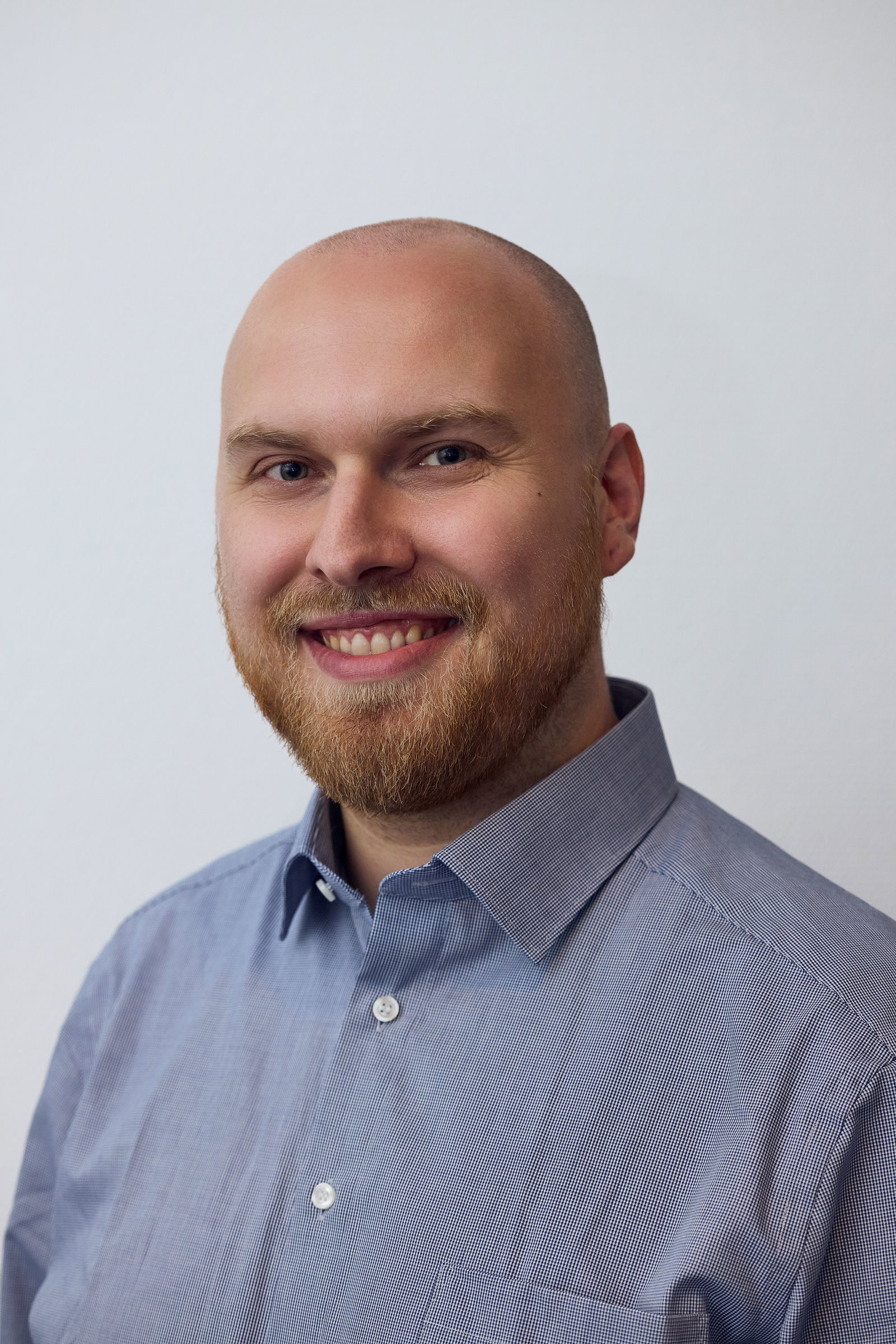
Niki Kirschenmann - Global Product Line Manager, Essential Fiber Instruments, VIAVI Solutions
As Product Line Manager for Essential Fiber Instruments at VIAVI Solutions, Niki leads global strategy for Optical Handhelds and Loss Test, the tools field teams rely on to build, certify, and maintain fiber networks. Niki works directly with Sales, customers, and channel partners across the globe. He brings what technicians and network operators face in the field back to R&D and Operations, so VIAVI delivers solutions that keep networks running.
Why this matters now
The shift from traditional data centre connectivity to AI-scale fibre infrastructure is creating a genuine skills and specification gap. Many operators, architects, and even some manufacturers are still operating with assumptions built around traditional networking densities and connector management practices.
AI clusters are operating at 10x to 100x higher fibre density than legacy systems. That scale change fundamentally alters which connector formats are viable, which management practices work, and what total cost of ownership actually looks like.
This webcast is designed to close that gap, bringing together the people making these decisions now and the suppliers building the solutions.