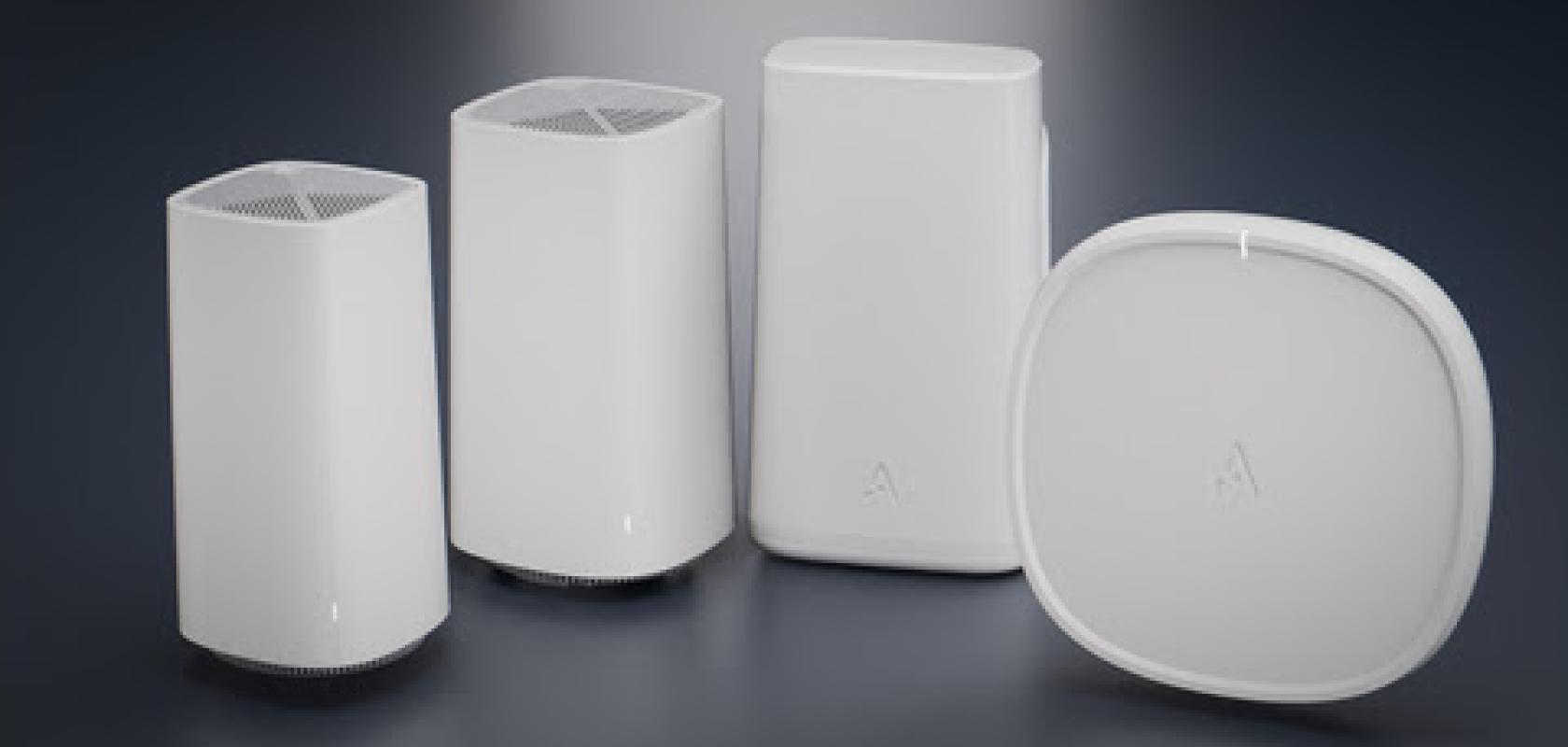
Adtran has announced that its service delivery gateway carrier-grade router portfolio has received conditional approval from the FCC's Public Safety and Homeland Security Bureau, formally exempting the platforms from FCC Covered List restrictions through 1 October 2027.
The decision places Adtran among the first router manufacturers to achieve this designation under the FCC's national security review process. By ensuring continued access to Adtran's SDG technology, the approval enables service providers to maintain deployment momentum, reduce operational risk and invest confidently in long-term expansion of broadband networks while navigating evolving regulatory requirements.
The decision follows the FCC’s March 2026 expansion of the Covered List, which restricted the authorisation of new foreign-produced routers due to national security concerns.
By securing this status, Adtran ensures that US service providers can continue deployments across both current and next-generation platforms without the risk of equipment authorization delays.
Supply chain and US-led development
The designation reflects a high-level review of Adtran’s secure engineering and firmware integrity. Crucially, the exemption is supported by Adtran’s ongoing shift toward US-based manufacturing and US-led software governance, aligning with federal efforts to secure critical communications infrastructure.
Eric Presworsky, general manager of subscriber solutions at Adtran, said achieving this approval reflects the strength of the company's long-standing commitment to secure, trusted networking innovation.
"For more than 40 years, we've combined deep networking expertise with disciplined engineering, transparent supply chain practices and a security-by-design approach to product development. These principles continue to guide how we build and deliver our platforms, helping service providers deploy critical infrastructure with confidence while meeting regulatory, operational and security expectations. This milestone reinforces our dedication to delivering resilient, compliant technologies that our customers can depend on as their networks scale," Presworsky said.
Current and next-generation platforms covered
The FCC's conditional approval applies across Adtran's authorised SDG router portfolio, covering both current and next-generation platforms used by service providers to deliver broadband connectivity at scale. As a result, shipments, FCC authorisations and customer deployments can continue without interruption, allowing operators to maintain rollout plans and upgrade paths without change.
The designation reflects a review of Adtran's secure engineering practices, supply chain transparency and firmware integrity commitments, supported by continued investment in US-based manufacturing capabilities, US-led software development and security governance, aligned with broader efforts to protect critical communications infrastructure.
Together, these capabilities underpin reliable operations, long-lifecycle support and regulatory alignment for managed broadband networks, according to Adtran.
Regulatory certainty for infrastructure planning
Robert Conger, general manager of strategy and solutions at Adtran, said the FCC approval is built on 40 years of trusted expertise.
"It reflects how Adtran applies decades of experience to deliver solutions designed for long-term performance and regulatory alignment. For service providers, it offers important certainty at a time when long-term infrastructure planning is critical. Operators can move forward with current and next-generation SDG deployments without disruption, protecting rollout timelines and investment plans. By removing uncertainty from a critical layer of the network, this decision lays the foundation for resilient, scalable connectivity that communities and businesses can rely on for years to come," Conger said.Sonnet 4.5
Impact on long-term infrastructure planning
For operators navigating the complexities of the BEAD program and private fiber expansions, the approval removes a significant layer of regulatory risk. It allows for uninterrupted shipments and customer deployments of SDG hardware through late 2027.